



Yuan Zhou
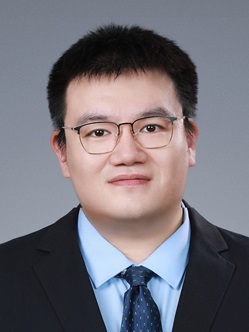
Yuan Zhou (Researcher, Associate Professor with tenure)
E-mail:zhouyuanbioinfo@hsc.pku.edu.cn
Educational Experience:
September 2006-July 2010 B.S. in Biological Sciences, Capital Normal University, Beijing, China
September 2010-July 2015 Ph.D. in Bioinformatics, China Agricultural University, China
Working Experience:
July 2015-September 2017 Postdoctoral Fellow, Department of Biomedical Informatics, School of Basic Medical Sciences, Peking University
September 2017-Present, Associate Researcher (2017-2023) & Researcher (2023-now) Department of Biomedical Informatics, School of Basic Medical Sciences, Peking University, China Research Associate and Researcher
Introduction of Research Interests:
Dr. Zhou’s main research interests are bioinformatics in RNA regulations, including bioinformatics method development and applied researches in RNA modifications, non-coding RNAs, and single-cell and spatial transcriptomes. He has developed several bioinformatics tools such as TAM2.0, PACES, LE-MDCAP, GE-Impute, Celloc, etc., which have been used more than 200,000 times. He established TransmiR v2.0 and HMDD v3.0 databases, which were ranked in the top 10% and top 5% of the impact scores of the two databases among the ~6,000 biological databases around the world included in Database Commons. He further applies bioinformatics methods and techniques to explore biomedical issues such as microRNA sex-biased expression, potential effects and risks of metformin on healthy individuals, characterization of genomic patterns of cancer germline and characterization of immune cell infiltration in cardiac diseases. He has published more than 40 SCI papers as (co-)first or (co-)corresponding author in Nucleic Acids Research, Genome Biology, Briefings in Bioinformatics, Genomics Proteomics & Bioinformatics, Science Advances and other major journals in the field. According to Web of Science, the cumulative number of SCI citations exceeds 4,000 (with more than 3,800 non-self citations), and the cumulative number of ESI highly cited papers exceeds. He has been awarded a Excellent Youth Grant from the National Natural Science Foundation of China (2023-2025).